• Cgeldert@shaw.ca
(403) 620-8534
Christopher Geldert, CA
  • HOME
  • ABOUT
    • ABOUT
    • SUPPLIERS
    • RESOURCES
    • PRIVACY & TERMS
  • SERVICES
    • INSURANCE PLANNING
      • LIFE INSURANCE
      • MORTGAGE LIFE INSURANCE
      • DISABILITY INSURANCE
      • CRITICAL ILLNESS INSURANCE
      • HEALTH & DENTAL
    • FAMILIES
      • ESTATE PLANNING
      • ESTATE PLANNING FOR MATURE FAMILIES & RETIREES
      • INSURANCE PLANNING
    • BUSINESS OWNERS
      • INSURANCE PLANNING
      • ESTATE PLANNING
  • CONTACT
  • LATEST NEWS
  • Click to open the search input field Click to open the search input field Search
  • Menu Menu

All in the Family: Estate Planning for Farmers

Blog, Estate Planning, farmers

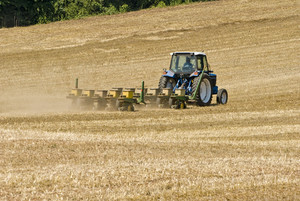
Many farmers find it difficult to get any interest from their children in continuing to run the farm business – which can cause some complications when developing the best estate plan for farmers looking to retire.

In general, farmers are in an interesting position: they are asset rich due to the increased value of their land but struggle with the increasing costs related to their farming activities.

However, if the farm holds significant value but the children are not interested in working the land, what is a farmer to do?

In some cases, at least one child is interested in farming having grown up in it. If there is only one child interested in taking over the farm, the solution may be simple: gift the farm to the child.

If a child is taking over the business, parents should consider the following:

  • The timing of when the parents will retire.

  • When they will transfer the ownership.

  • Where they will live after retirement.

  • Whether or not they have enough retirement savings without relying on farm income.

If no children are willing to take over the farm business, estate planning and the tax implications become more complicated. However, farmers have some tax planning tools they can use that are unavailable to most people:

  • There is actually a higher exemption from capital gains for both farming and fishing individuals. While qualified small business corporations can claim about $892,218 against capital gains on shares, farmers have an exemption of up to $1 million on either qualified farm property or shares in a qualified farm corporation. This is a really great benefit for sole proprietors or partners in a farming operation.

  • In addition, if a farmer is passing farm property over to a child, they may elect to transfer at the original cost base, rather than the current fair market value. This is essentially passing the gains over to the next generation – much like an estate freeze without all the documentation.

Qualified Farm Property

In order to receive the right exemptions for your situation, it is also beneficial to understand what is considered qualified farm property.

In order to receive the right exemptions for your situation, the property must be used for active farming activities – not rented out or sharecropped.

It is also important to consider who actually owns the farm and if they are actively farming the property. For example, if two spouses own the farm property and farm it then they both get $1 million of exemption. If a spouse is not an owner but is actively farming the property, the current owner can transfer farm property over to the spouse at cost to allow for the use of the exemption. Children may also qualify for this exemption.

The current rules have two important provisions:

  • The owner must be actively farming for two years before selling or gifting the property, and the owner must have earned most of their income from farming during those two years.

  • Any other income earned from other sources has to be significantly less than the total gross income earned from farming.

If this is not the case, then there may be no exemption and no ability to gift the farm to a child at cost.

It is also important to consider what year the farming property was first acquired, as the rules prior to 1987 were significantly different.

The rules after 1987 state that farm property must be used to conduct farming, and it must be owned for two years prior by the individual, spouse, common law partner, children or parent of the individual, a trust or partnership.

However, if a farmer owned the property prior to 1987, then the rules are a bit more generous. For farms acquired prior to 1987, the tax authorities allow you to use the tax benefits if you used the property “principally” for active farming in the year you sold or gifted it, or in at least five years during which the property was owned.

Questions to Outline Future Goals

Finally, probably the most important step a farmer can take in planning their estate is to determine their own goals and ask their children about theirs. Some questions to consider:

  • If the children are interested in farming, can the parents afford to retire without farm income and if not, how many people can the farm support financially?

  • If there are both farming and non-farming children are there other non-farming assets that the parents can leave to the non-farming children to equalize the estate? Would life insurance be useful to provide equalization?

  • Do the parents need the children to “buy” the property, for at least $1 million of it to take advantage of the exemption and get the parents retirement funds? And can the children afford to do that?

Questions? Reach out if you are interested in exploring estate planning options.

Please feel free to share this article with anyone you think would find it of interest.

Copyright © 2021 FSB Content Marketing Inc – All Rights Reserved

by Chris Geldert
Share this entry
  • Share on Facebook
  • Share on X
  • Share on WhatsApp
  • Share on Pinterest
  • Share on LinkedIn
  • Share on Tumblr
  • Share on Vk
  • Share on Reddit
  • Share by Mail
https://chrisgeldert.ca/wp-content/uploads/2021/06/All-in-the-Family-Estate-Plan-Farmers.jpg 201 300 Chris Geldert https://chrisgeldert.ca/wp-content/uploads/2020/05/christopherGeldertLogo5.png Chris Geldert2021-06-01 06:00:002021-06-01 06:09:17All in the Family: Estate Planning for Farmers

Pages

  • ABOUT
  • ADVANTAGE ACCOUNT
  • BLOG
  • BUSINESS CONTINUATION
  • BUSINESS SUCCESSION
  • CONTACT
  • CRITICAL ILLNESS INSURANCE
  • CRITICAL ILLNESS INSURANCE
  • DISABILITY INSURANCE
  • DISABILITY INSURANCE
  • EMPLOYEE BENEFITS
  • ESTATE PLANNING
  • Estate Planning for Business Owners
  • Estate Planning for Retirees and Mature Families
  • Estate Planning for Young Families
  • EXECUTIVE BENEFITS
  • Families
  • Farms
  • FINANCIAL ADVICE
  • FINANCIAL ADVICE FOR BUSINESS OWNERS
  • FINANCIAL ADVICE FOR BUSINESS OWNERS
  • FINANCIAL ADVICE FOR SENIORS
  • FLEXCARE, ASSOCIATION, HEALTH AND DENTAL PLANS
  • GROUP BENEFITS
  • GROWING FAMILIES
  • GUARANTEED INVESTMENT CERTIFICATES
  • HOME
  • How will rising interest rates impact Canadians?
  • INDIVIDUAL HEALTH AND DENTAL PLANS
  • Insurance Planning
  • Insurance Planning for Business Owners
  • Insurance Planning for Young Families
  • INVESTMENT PLANNING
  • LATEST NEWS
  • LIFE INSURANCE
  • Life Insurance
  • LIFE STAGES
  • MATURE FAMILIES
  • Mortgage Insurance
  • MORTGAGE LIFE INSURANCE
  • Non Registered Investments
  • Planning for Seniors
  • Preparing for Retirement
  • PRIVACY STATEMENT AND WEBSITE TERMS OF USE
  • REGISTERED DISABILITY SAVINGS PLAN
  • REGISTERED DISABILITY SAVINGS PLAN
  • REGISTERED EDUCATION SAVINGS PLAN
  • REGISTERED EDUCATION SAVINGS PLAN
  • REGISTERED RETIREMENT INCOME FUND
  • REGISTERED RETIREMENT INCOME FUND
  • REGISTERED RETIREMENT SAVINGS PLAN
  • REGISTERED RETIREMENT SAVINGS PLAN
  • Resources
  • RETIREES
  • RETIREMENT PLANNING
  • Retirement Planning for Business Owners
  • Retirement Planning for Employees
  • SERVICES
  • STARTING YOUR CAREER
  • STRATEGIC PARTNERSHIPS
  • SUPPLIERS
  • SUPPLIERS-old
  • TAX FREE SAVING ACCOUNT
  • TAX FREE SAVING ACCOUNT
  • THE NEED FOR CORPORATE LIFE INSURANCE
  • The Need for Corporate Life Insurance
  • THE NEED FOR PERSONAL LIFE INSURANCE
  • The Need for Personal Life Insurance

Categories

  • 2020
  • 2020 Only
  • 2021
  • 2022
  • 2022 Only
  • 2023
  • 2024
  • 2025
  • 2026
  • Accountants
  • Blog
  • Budget
  • Business Owners
  • Business Owners
  • Business Succession
  • Business Succession Planning
  • Buy Sell
  • Center of Influences
  • Charitable Gifting
  • Coronavirus
  • Coronavirus – Associates
  • Coronavirus – Practice Owners
  • Coronavirus – Retired
  • Coronavirus – Retiring
  • Coronavirus – Students
  • corporate
  • Critical Illness Insurance
  • Debt
  • dental benefits
  • disability
  • Disability Insurance
  • Estate Planning
  • Family
  • farmers
  • Finance
  • financial advice
  • Financial Planning
  • Government Budget
  • Group Benefits
  • health benefits
  • incorporated professionals
  • individuals
  • Insurance
  • Investment
  • Life Insurance
  • long term care
  • mortgage
  • Ontario Only
  • pension plan
  • personal finances
  • Professional Corporations
  • Professionals
  • RDSP
  • Registered Education Savings Plan
  • Retirees
  • Retirement
  • RRSP
  • RRSP
  • tax
  • Tax Free Savings Account
  • Travel Insurance

Archive

  • September 2026
  • August 2026
  • July 2026
  • June 2026
  • May 2026
  • April 2026
  • March 2026
  • February 2026
  • January 2026
  • December 2025
  • November 2025
  • October 2025
  • September 2025
  • August 2025
  • July 2025
  • June 2025
  • May 2025
  • April 2025
  • March 2025
  • February 2025
  • January 2025
  • December 2024
  • November 2024
  • October 2024
  • September 2024
  • August 2024
  • July 2024
  • June 2024
  • May 2024
  • April 2024
  • March 2024
  • February 2024
  • January 2024
  • December 2023
  • November 2023
  • October 2023
  • September 2023
  • August 2023
  • July 2023
  • June 2023
  • May 2023
  • April 2023
  • March 2023
  • February 2023
  • January 2023
  • December 2022
  • November 2022
  • October 2022
  • September 2022
  • August 2022
  • July 2022
  • June 2022
  • May 2022
  • April 2022
  • March 2022
  • February 2022
  • January 2022
  • December 2021
  • November 2021
  • October 2021
  • September 2021
  • August 2021
  • July 2021
  • June 2021
  • May 2021
  • April 2021
  • March 2021
  • February 2021
  • January 2021
  • December 2020
  • November 2020
  • October 2020
  • September 2020
  • August 2020
  • July 2020
  • June 2020
  • May 2020
  • April 2020

Chris Geldert CPA, CA, CLU, CEA

Navigating corporate structures and the insurance world can be difficult. I specialize in assisting business owners protect, realize and transfer the value of their business and corporate wealth. I guide owners through the process and work with their various professionals to ensure solutions implemented properly manage risks and maximize benefits. Above all, I work to earn your business.

Subscribe to my newsletter

* indicates required


Contact Me

Tel: (403) 620-8534

E: Cgeldert@shaw.ca

© 2020 Financial Tech Tools Inc. - Enfold WordPress Theme by Kriesi
Link to: Salary vs Dividend Link to: Salary vs Dividend Salary vs Dividend Link to: Insurance Planning for Young Families Link to: Insurance Planning for Young Families Insurance Planning for Young Families
Scroll to top Scroll to top Scroll to top